North American Routes
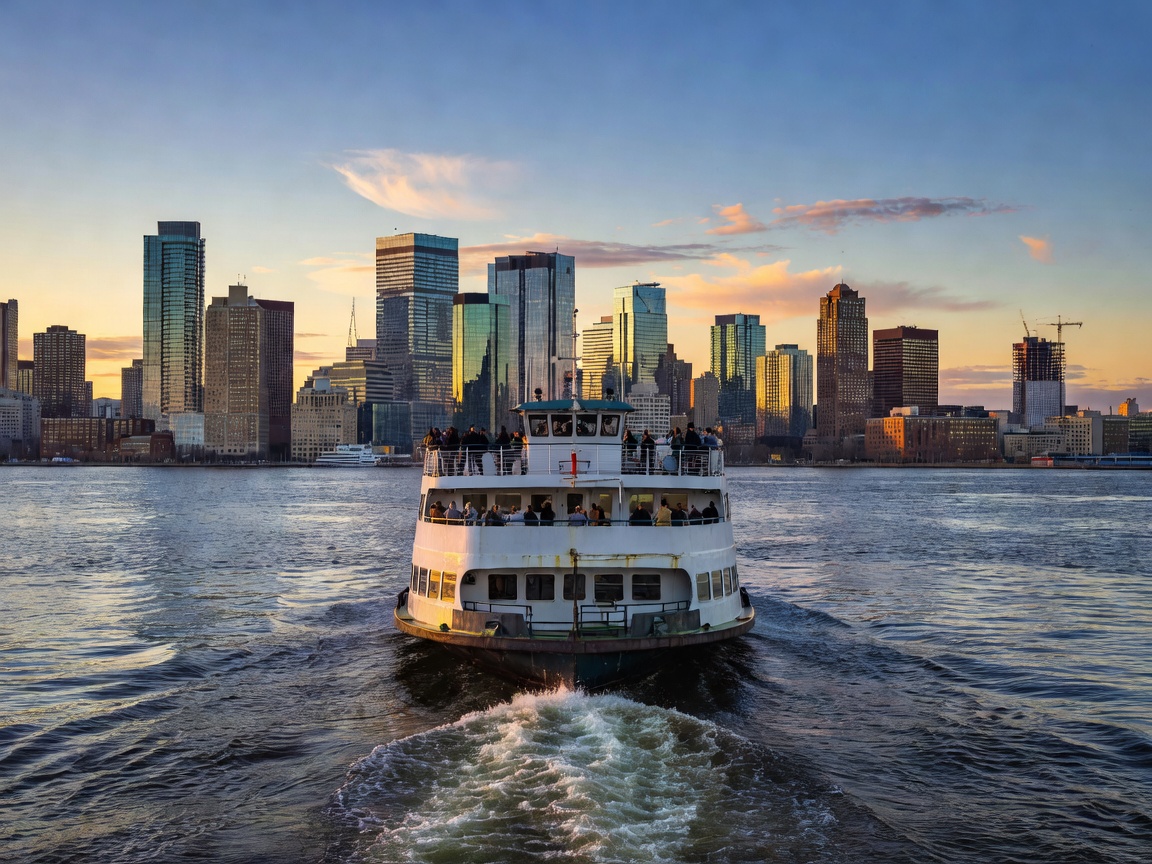
The Coastal Commuter Networks
In North America, ferry networks differ substantially from European or Asian models. While there are a few long-haul coastal services (such as those servicing Alaska), the vast majority of operations function as high-volume commuter arteries within dense metropolitan areas or short coastal hops avoiding massive geographical detours.
These systems are largely state-owned or heavily subsidized public benefit corporations, treating the waterways as extensions of the state highway systems.
Major Regional Systems
The Pacific Northwest
The Puget Sound region relies heavily on the Washington State Ferries system, one of the largest passenger and vehicle ferry fleets in the world. Characterized by double-ended vessels—meaning they do not need to turn around to dock, saving crucial turnaround time—these ferries connect Seattle and surrounding communities with the Kitsap Peninsula and the San Juan Islands. The Jumbo Mark II class vessels form the backbone of this fleet, capable of carrying over two hundred vehicles and thousands of passengers per crossing.
Further north, BC Ferries operates a similarly massive network connecting mainland British Columbia with Vancouver Island and remote coastal communities. Their operations span from high-frequency commuter runs across the Strait of Georgia to multi-day voyages up the Inside Passage.
The Eastern Seaboard
The East Coast network is dominated by passenger-only commuter ferries and iconic short-run vehicle ferries. The Staten Island Ferry in New York is perhaps the most famous, operating as a free, 24/7 municipal service moving tens of millions of commuters annually across New York Harbor. More recently, expanded fast-ferry networks have been implemented to alleviate subway and road congestion in the broader tri-state area.
Challenges and Modernization
North American fleets face significant challenges regarding aging infrastructure. Many active vessels were built in the 1970s and 1980s, leading to increased maintenance downtime and service disruptions. The procurement process for new vessels is often slowed by complex funding structures and, in the US, regulations requiring vessels to be domestically built.
The Push for Hybrid-Electric
Like Scandinavia, North American operators are beginning to transition away from pure diesel propulsion. Washington State Ferries has initiated a program to convert its largest vessels to plug-in hybrid-electric power and is designing new builds specifically to run on battery power. BC Ferries is already introducing battery-hybrid vessels on shorter routes, aiming to drastically reduce emissions in sensitive coastal biomes.
Comparative Analysis: Commuter vs. Long-Haul
| System Type | Vessel Architecture | Primary Challenge |
|---|---|---|
| Urban Commuter (e.g., NY Harbor) | High-speed passenger catamarans | Integrating schedules with terrestrial mass transit and managing wake impact. |
| Coastal Highway (e.g., Puget Sound) | Double-ended Ro-Pax | Aging fleets, crew shortages, and dock infrastructure maintenance. |
| Remote Access (e.g., Alaska Marine Highway) | Ocean-going single-ended Ro-Pax | High operational costs, long transit times, and harsh weather conditions. |