English Channel Services
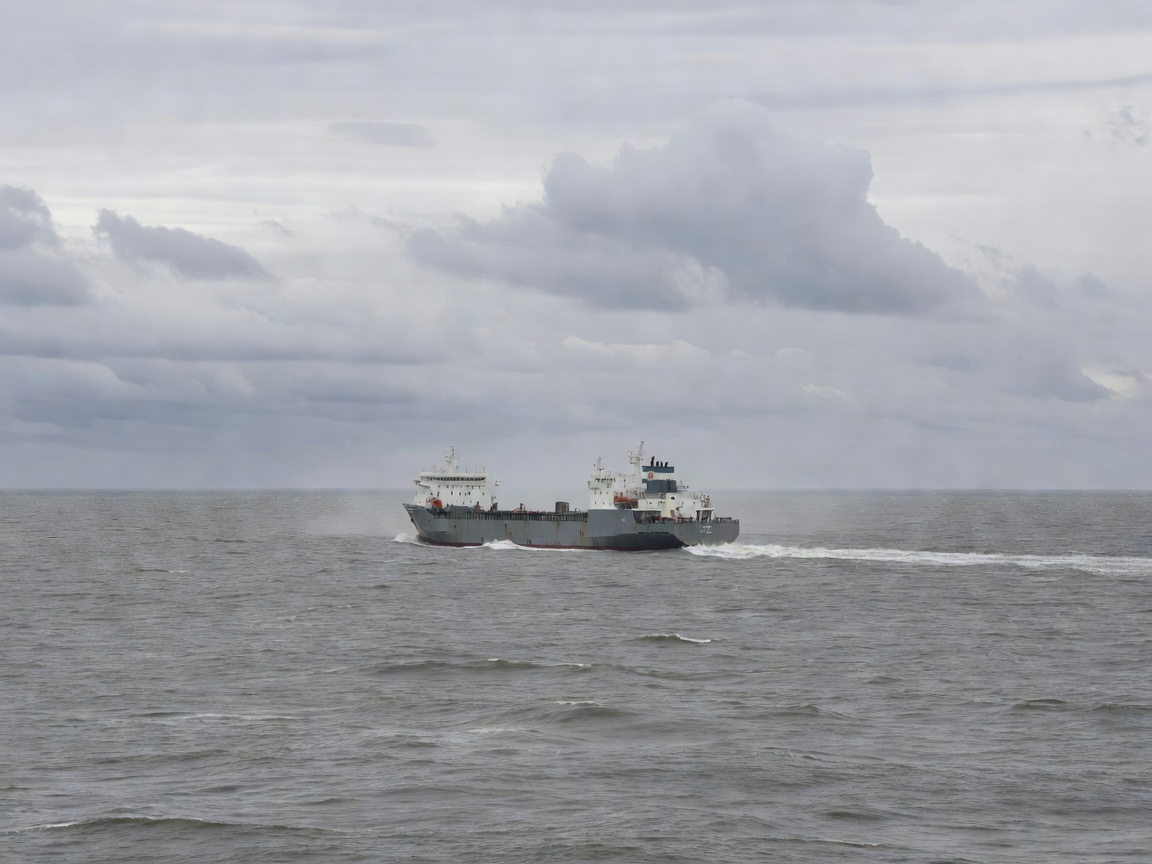
The Busiest Shipping Lane in the World
The English Channel, particularly the Strait of Dover, forms one of the most critical logistical bottlenecks in the global supply chain. Serving as the primary physical link between the United Kingdom and continental Europe, the ferry infrastructure here operates with staggering intensity, functioning essentially as a conveyor belt moving millions of freight units and passengers annually.
Major Routes and Corridors
Channel crossings are generally categorized into three main geographic sectors, each serving distinct market demands.
The Short Sea Route (Dover Strait)
Routes between Dover and the French ports of Calais and Dunkirk represent the core of the network. The transit time here is typically 90 to 120 minutes. Because of the short duration, vessels on this route are designed for exceptionally rapid turnaround times, often unloading and reloading hundreds of heavy goods vehicles in under an hour. These ships prioritize massive open freight decks and efficient vehicle flow over passenger cabin space.
The Western Channel
Routes operating out of ports like Portsmouth, Poole, and Plymouth to destinations in Normandy, Brittany, and Northern Spain (e.g., Santander, Bilbao) cater to a different demographic. These are longer voyages ranging from several hours to overnight crossings. Operators utilize cruise-ferries with extensive cabin accommodations, multiple restaurants, and entertainment, balancing freight capacity with high-yield tourism traffic.
The North Sea Routes
Connecting the East coast of the UK (Hull, Harwich, Newcastle) with the Netherlands and Belgium, these overnight routes handle immense volumes of unaccompanied freight (trailers dropped off at the port without a cab or driver). This logistical model allows haulage companies to save on labor costs while the goods cross the sea at night.
Operational Challenges
Operating in the Channel presents severe navigational and logistical hurdles. The waterway is notoriously congested, requiring vessels to cross perpendicular to the world's busiest commercial shipping traffic lane in the Dover Strait. Severe weather patterns, particularly winter gales, require vessels designed with extreme stability and powerful thrusters to safely berth in confined ports.
Customs and Border Friction
Following geopolitical changes regarding the UK's relationship with the European Union, the fundamental operational dynamic of Channel ferries has shifted. Ports and ferry operators had to adapt to reinstated customs declarations, phytosanitary checks, and strict border controls. The implementation of smart-border technology and pre-clearance IT systems has been crucial in maintaining flow, as traditional physical checks at the port gates would cause paralyzing congestion on the road networks approaching the terminals.
Future Outlook
Operators on the Channel are heavily investing in fleet renewal. The latest generation of vessels introduced on the Dover-Calais route feature battery-hybrid systems, designed to maneuver in port under electric power to reduce localized emissions. Additionally, aerodynamic improvements and advanced hull coatings are being deployed to increase fuel efficiency against the strong Channel currents.
| Route Sector | Typical Transit Time | Primary Cargo Type |
|---|---|---|
| Dover - Calais | 90 Minutes | Accompanied Freight / Passenger Cars |
| Portsmouth - Caen | 6 - 8 Hours | Mixed Freight / Tourism |
| Harwich - Hoek van Holland | 7 - 9 Hours | Unaccompanied Freight / Cabins |