Asian Island Hopping
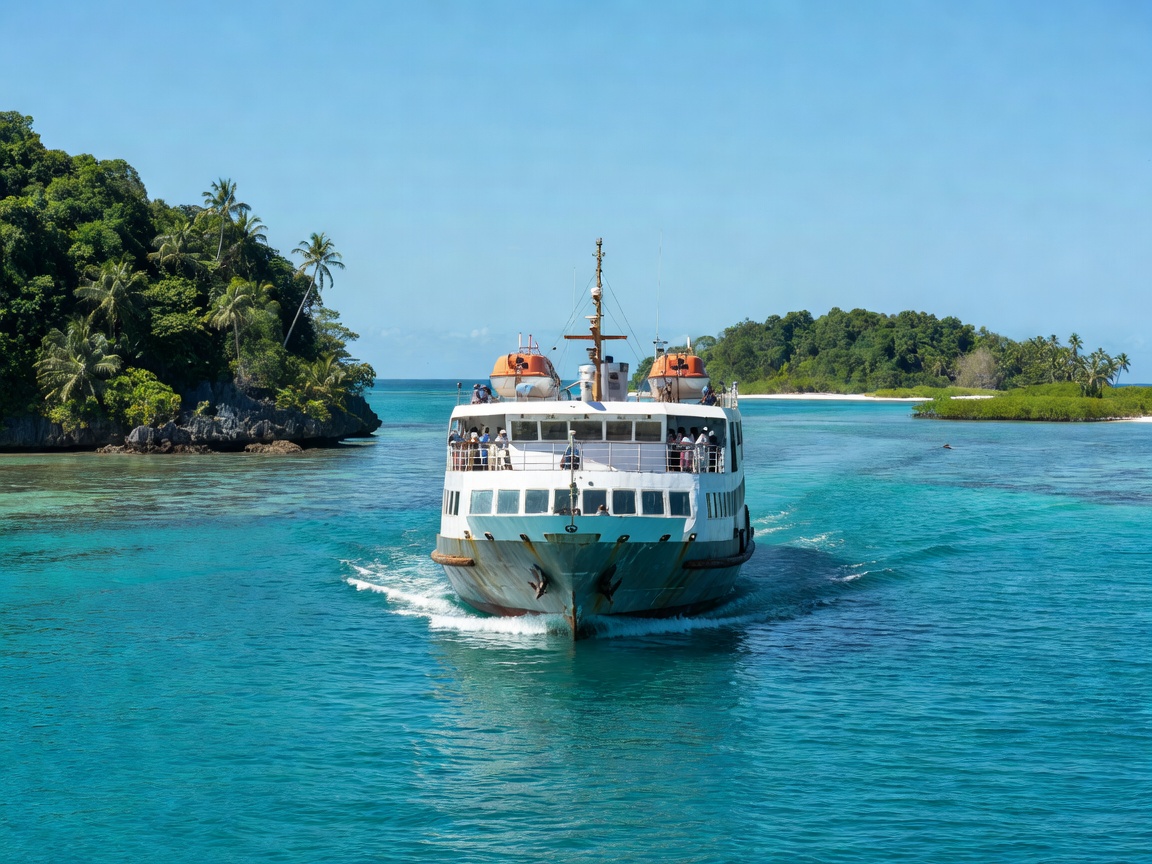
The Lifeline of Archipelagos
In the Asia-Pacific region, ferries are not just a mode of transport; they are the fundamental backbone of national economies. For archipelagic nations comprising thousands of islands—most notably Indonesia, the Philippines, and Japan—maritime transport ensures food security, enables domestic trade, and provides the only affordable means of long-distance travel for millions of citizens.
Scale and Operational Scope
The scale of ferry operations in Asia dwarfs many western networks. The systems must accommodate massive population densities, frequent internal migration, and the logistics of distributing goods across vast, fragmented geographies.
Indonesia: The Sea Toll Concept
As the world's largest archipelagic state, Indonesia relies on a massive state-subsidized shipping network. To reduce price disparities between the industrialized western islands (Java, Sumatra) and the remote eastern provinces (Papua, Maluku), the government implements a "Sea Toll" maritime logistics program. Large passenger ships routinely operate multi-day voyages across the archipelago, functioning as moving villages equipped with dormitories, cafeterias, and mosques.
The Philippines: Ro-Ro Networks
The Philippines utilizes a concept known as the Strong Republic Nautical Highway. This integrated network of highway segments and Roll-on/Roll-off (Ro-Ro) ferry routes allows cargo trucks and public buses to travel from the northernmost parts of Luzon down to Mindanao in the south without unloading cargo. This system significantly lowers logistics costs by eliminating port-side cargo handling.
Japan: Domestic High-Speed and Long-Haul
Japan presents a contrasting model. Despite possessing extensive bridge and tunnel infrastructure (like the Seikan Tunnel), its domestic ferry network remains robust. Long-haul ferries bypass road congestion by transporting freight and passengers up and down the coastlines of Honshu, Hokkaido, Kyushu, and Shikoku. Japanese vessels are renowned for their punctuality, high cleanliness standards, and advanced engineering, catering to an aging demographic that values comfort over speed.
Safety and Infrastructure Challenges
While crucial, the maritime sector in developing Asian nations faces significant hurdles regarding safety and modernization. The reliance on second-hand tonnage—often vessels retired from Japanese or European operators—presents maintenance challenges.
Overcrowding during major holidays (such as Eid al-Fitr in Indonesia or Christmas in the Philippines) tests the limits of port infrastructure and vessel capacities. However, national maritime authorities are increasingly enforcing strict safety protocols, modernizing ticketing systems to prevent overloading, and investing in new, purpose-built vessels designed specifically for local wave and weather conditions.
Vessel Classes in the Region
| Vessel Class | Primary Use | Characteristics |
|---|---|---|
| Bangka / Outrigger | Local transit, short hops | Traditional wooden hulls, low capacity, highly maneuverable in shallow waters. |
| Fast Craft | Inter-city commuter routes | Enclosed, air-conditioned catamarans focused on passenger speed. |
| Long-Haul Ro-Pax | Inter-island freight and transit | High capacity, dormitory-style seating, multi-day endurance. |